Irreversible Slack Actions an Agent Can Trigger
Some Slack changes can be undone, others can't, and agents blur the line.
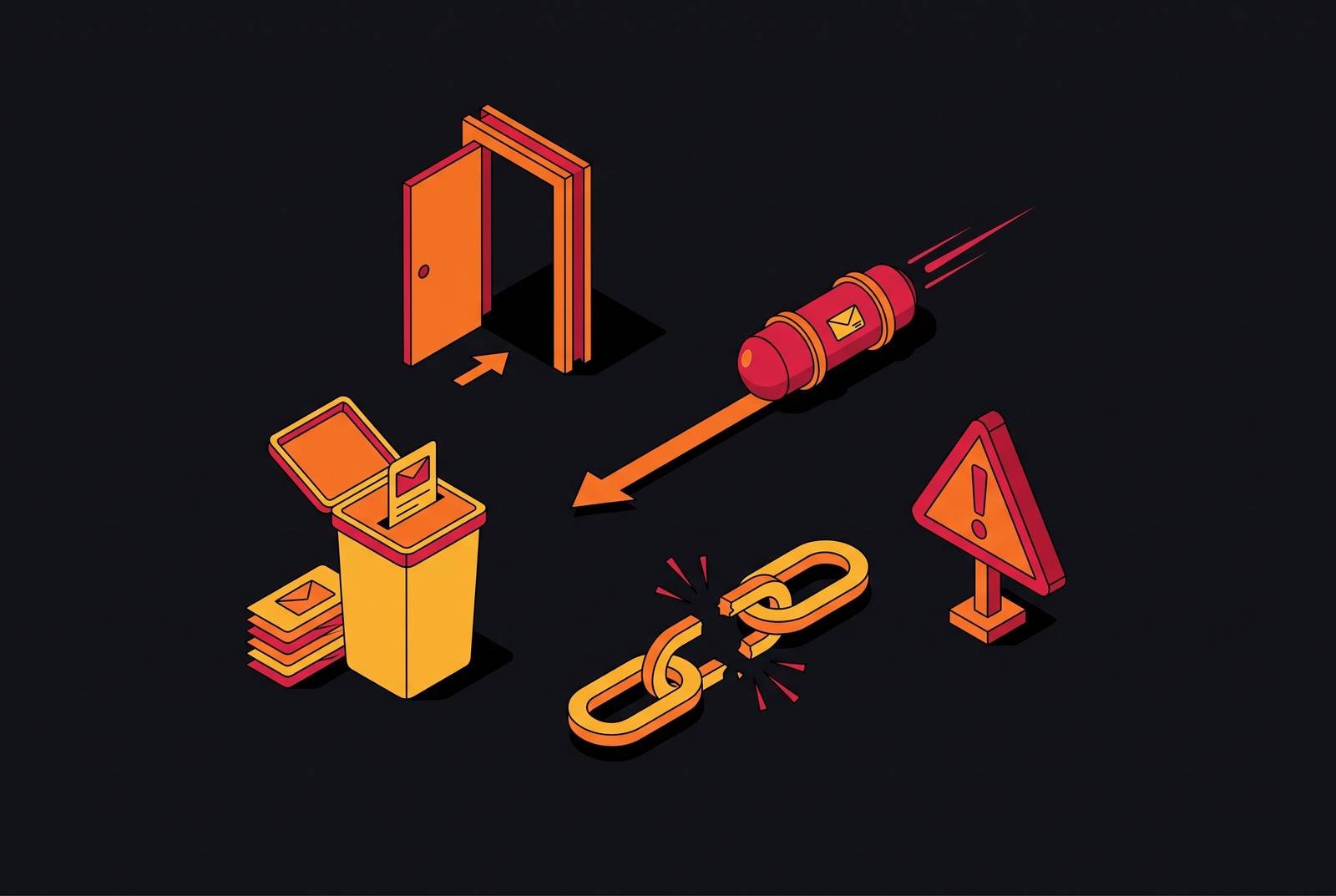
Slack-connected agents can delete records, revoke access, and change permissions before a human sees the result. The central design task is to distinguish permanent data loss from reversible settings whose consequences cannot be recalled. That map determines which actions need approval, where review must cover an entire sequence, and why destructive paths must be tested in an isolated, stateful environment.
What makes a Slack API action irreversible, and why agents raise the stakes
An irreversible action leaves no route back to the prior state through an SDK call, an admin operation, or a support request. That boundary is stricter than “difficult to undo.” Archiving a channel is reversible because it can be unarchived. A posted message can be deleted by its poster, although deleting it cannot recall information someone has already read. The distinction is between reversing an operation and reversing its effects.
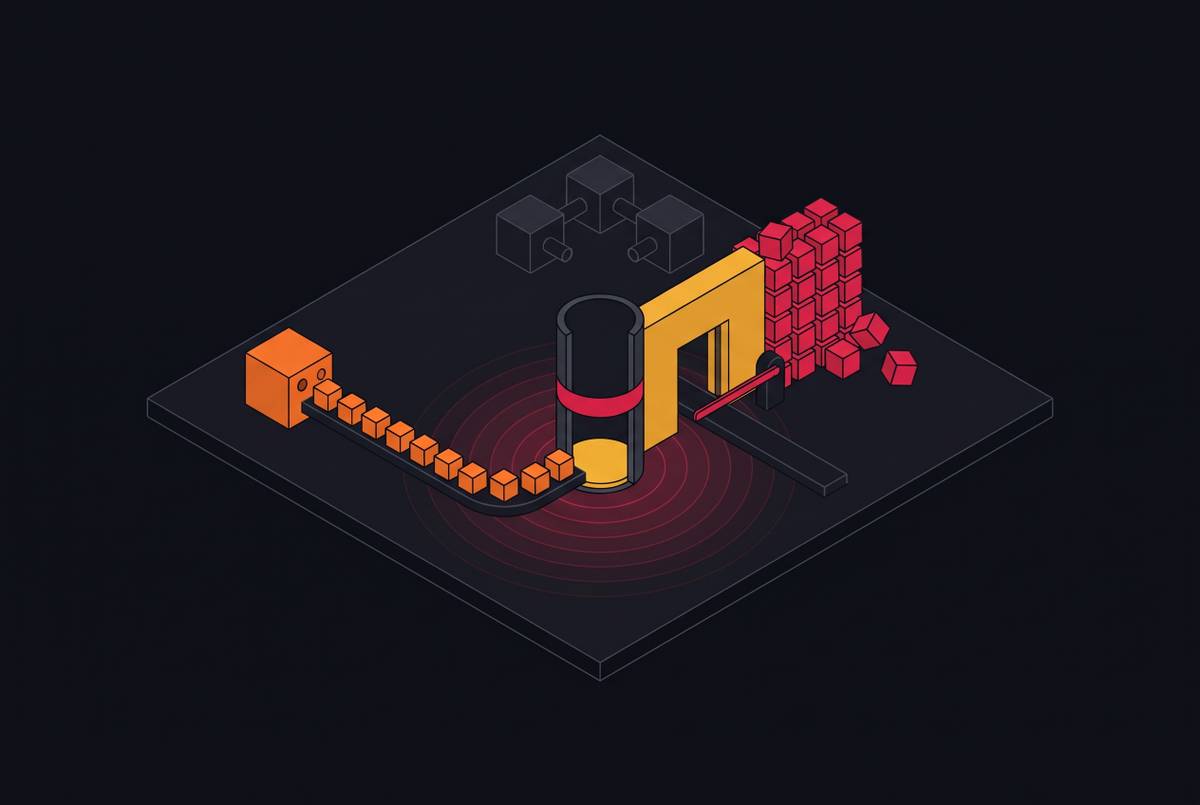
Slack’s developer documentation defines agents as “autonomous, goal-oriented AI apps that can reason, use tools, and maintain context across conversations.” Autonomy compresses the interval available for human intervention. A single plan can make several destructive calls before anyone checks its output. Salesforce’s official page says Slackbot, as a new MCP client, can “route work or prompt questions to Agentforce or any agent or app in your enterprise.” That routing broadens the potential reach of an error beyond the agent that first interprets the request.
Channel deletion and the data it permanently removes
Slack’s official help page states that deleted channels are permanently removed from a workspace, including their message history. There is no channel-level rollback for that loss. Pinned messages disappear when the messages themselves are deleted. Files shared in the channel, however, may remain accessible elsewhere in the workspace. Deleting a channel therefore does not prove that every object tied to it is gone, and the documentation does not say that integrations are gone for good or cannot be restored.
Archiving creates a different outcome because it preserves history and can be reversed. The distinction belongs in the agent’s tools. An instruction to “clean up inactive channels” does not itself choose between preservation and destruction. If the tool schema does not make those outcomes clear, an agent may choose deletion when archiving would have done the job.
For that reason, a well-designed agent should check channel metadata before it proposes deletion. Relevant context includes member count, last activity, pinned items, starred status, and active integrations. A name alone is not enough reason to delete a channel. A channel that matches an inactivity pattern still needs review against its actual state. These checks establish what the proposed operation would affect, while human approval confirms that the loss is intended.
Member removal and workspace permission changes that cannot be walked back
Member removal changes access immediately, but it must not be described as automatic destruction of a member’s records. Slack’s official deactivation page says that the person’s messages and files stay when their account is deactivated. Slack’s reactivation page confirms that reinstated members can access messages they sent before removal. DMs are not cleared by removal either. Member removal interrupts access immediately, and reactivation can restore access to prior conversations.
Kicking a member from a channel or removing their workspace access takes effect without a transaction that holds the change pending later review. An agent told to “clean up workspace membership” might interpret inactivity as grounds for removal, including for an admin on leave. Lack of recent posting is not sufficient evidence. Member roles and recent activity tell more about the member than a name match or inactivity filter alone.
Workspace permission changes extend the same problem to everyone governed by the setting. Promoting or demoting admins, changing who can create channels, and altering guest access policies can change access before a reviewer intervenes. A setting may be changed back, but that does not recall files already exposed to guests or erase the effects of an access interruption. In IT-support workflows, agents routed through Slack may also have write access to identity providers, increasing the scope of a mistaken instruction. The Slack-side decision still needs its own gate rather than inheriting approval from the broader workflow.
Message and file purges that erase history without recovery
Slack provides no undelete endpoint for messages. Deleted messages cannot be recovered from the client, admin panel, or a standard export. Slack’s official data-retention guidance describes settings that keep deletion history for exports and the Discovery API, though what is available depends on the plan and the content kept. On Business+ and Enterprise plans, deletions kept this way may therefore be recovered through a full export or the Discovery API, but cannot be brought back through ordinary message restoration.
Recovery depends on whether the relevant retention policy preserved the content. A compliance agent tasked with “removing messages containing PII” illustrates the danger. If it selects messages through a regex and deletes them without human review, legitimate business records can be caught in the purge. The selection rule needs scrutiny before destruction begins.
File deletion has a scope that channel-based reasoning can miss. Deleting a file shared in Slack removes it from all channels where it was shared. This differs from deleting a channel, which may leave shared files available elsewhere. Forwarding confidential information through the Slack API presents another irreversible effect because deleting the forwarded message cannot recall a disclosure, although that is distinct from erasing the source record.
How trajectory-level risk compounds single irreversible calls into multi-step harm
Bardia Mohammadi and Laurent Bindschaedler’s The Irreversibility Budget examines how individually authorized effects can exceed a principal’s aggregate risk limit. Their controlled study found that per-effect gates admitted fleet-level overdraws of up to 48 times the tenant’s risk limit. The controlled-study result shows a weakness that also matters for Slack agents: even when each call has the right authorization, the harm from all the calls together may be too great. Several permitted operations can consume the same body of records or access rights.
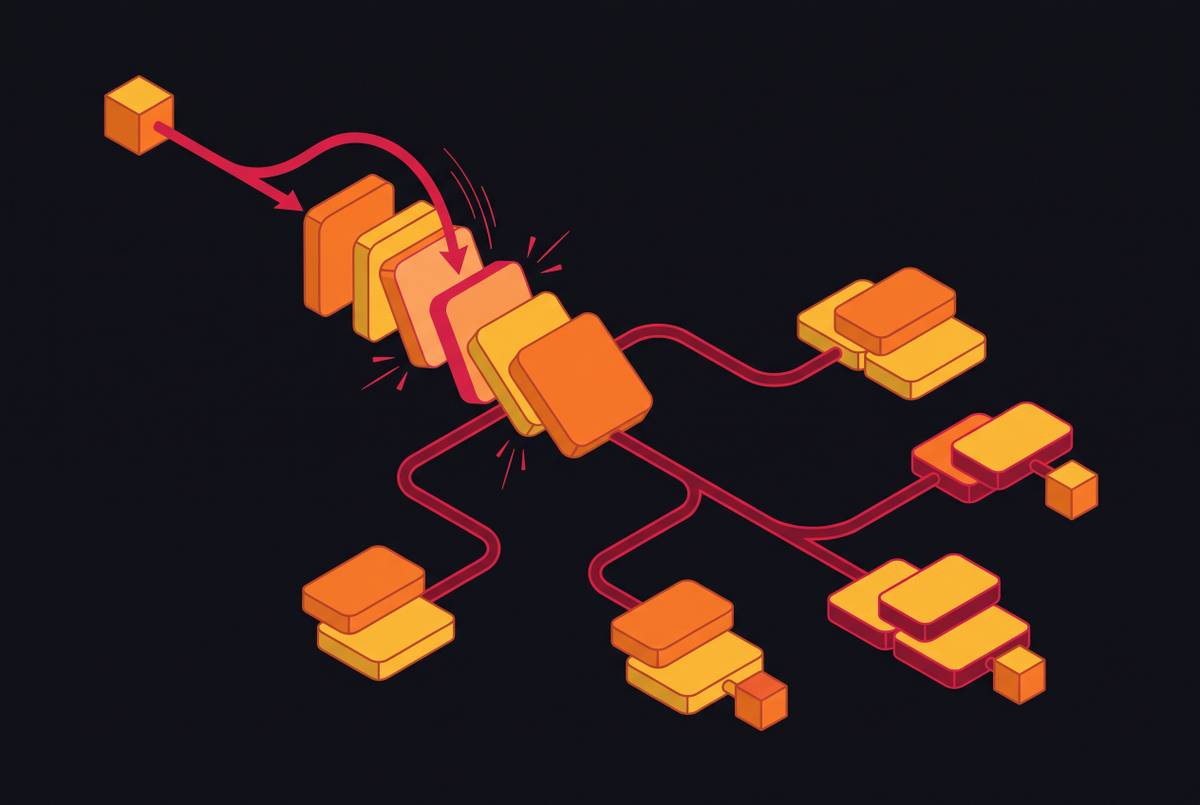
An agent removes an inactive member, then deletes channels associated with that person, then purges files attached to those channels. Each step may appear consistent with “clean up departed employees.” Together, the steps could erase a project’s record of its communications, including files shared outside those channels. This illustrative failure path carries risk through the dependencies between the actions.
Alireza Lotfi and colleagues’ Securing Agentic AI: From Per-Action Checks to Trajectory Assurance distinguishes individual action checks from assessing whether overall behavior respects a system’s rules and constraints. Here, authorization asks whether the agent is allowed to make a given call. Trajectory review asks whether the accumulated changes remain acceptable. Neither question substitutes for the other. A deletion may be allowed on its own but become unacceptable once earlier calls have removed related access or records.
This changes the scope of review. Checking each call against its permissions may miss that the full plan destroys what is left of a project’s record. The sequence must be visible as a sequence, including the state produced by earlier actions. Otherwise, a reviewer sees several plausible steps without seeing their combined result. That same requirement determines what a meaningful test environment must remember.
Why testing these actions against a live workspace is itself the risk
A destructive test against a live workspace is still a destructive operation. A wrong parameter, a missing guard, or a prompt read in a different way can remove real records or cut off real access. The effects are especially serious when the behavior under examination is whether the agent will choose deletion at all. A failed test can carry out the very action the developer hoped to prevent.
A stateless mock avoids those effects on a live workspace but cannot show well enough how they add up. It has no memory of earlier calls. Consequently, it cannot model whether a channel still has members after attempted removals, whether a file remains referenced elsewhere, or whether the target member is an admin. A successful response to each request on its own says little about whether the workspace is left in an acceptable state.
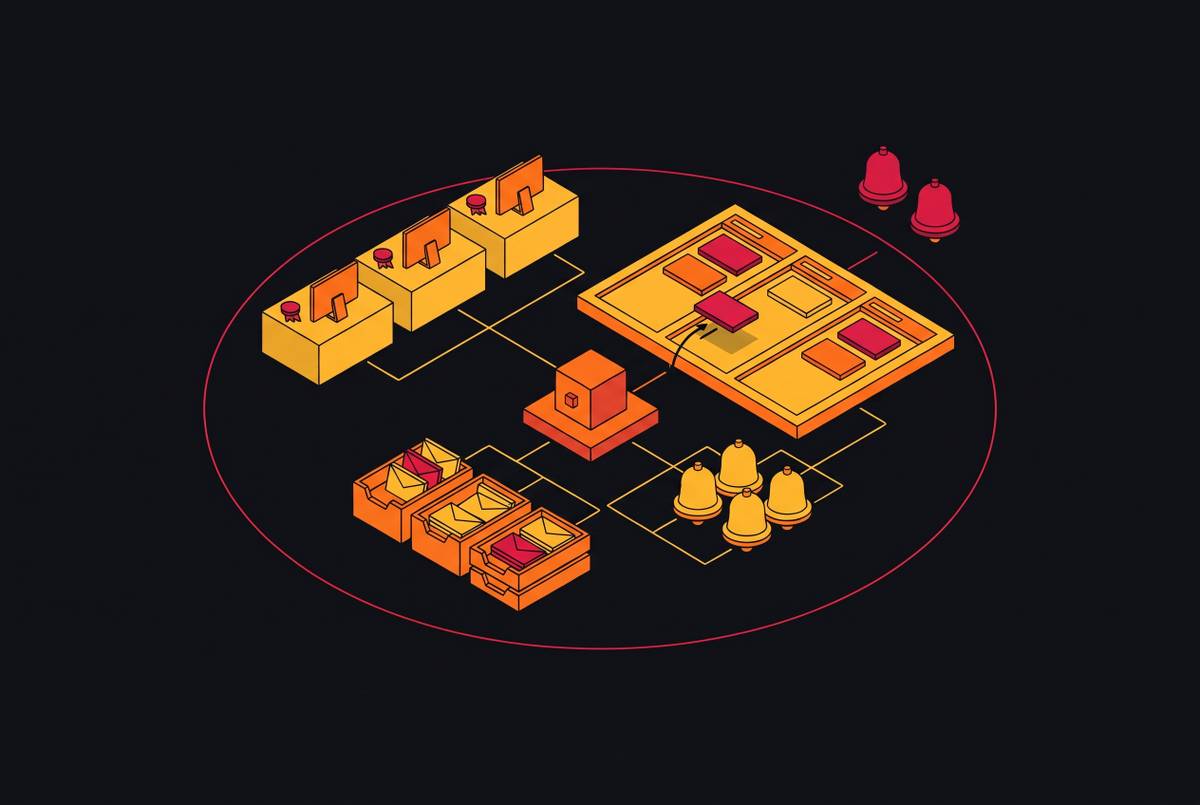
A stateful simulator preserves those relationships across calls. It can represent adding a member, checking that the member exists before removal, and checking whether a channel is empty before deletion. Agent-Diff demonstrates an isolated approach in which agents interact with real API interfaces while network traffic is intercepted and routed to containerized API replicas. Controlled state makes destructive trajectories repeatable without applying them to a live workspace. The environment is therefore part of the safety boundary.
Where safeguards, confirmation gates, and test coverage must sit given this map
The design consequence is to place human approval before channel deletion, member removal, workspace permission changes, and bulk message or file purges. Approval after execution is only acknowledgment of an outcome. The gate should be enforced in code at the tool boundary rather than left to the model’s conversational judgment. Ambiguous instructions or hostile content must not be able to turn a requested confirmation into an optional step. The model may propose an action, but it must not control whether the approval requirement applies.
Before that gate, the agent should read the state needed to assess the proposed change. Channel metadata, member roles, and recent activity establish context for removal and deletion. Protected-status checks should cover admins, managers, starred items, and recent activity where they apply to the target. A reviewer needs the scope of the proposed effect, including whether a file deletion reaches other channels or a permission change affects guest access.
Review must also account for the full action sequence. Earlier approvals should not conceal the combined effect of later removals and purges. Audit logs must capture the trajectory so that post-hoc review can identify the chain that produced an outcome. Logging cannot bring back deleted records, but it can show whether harm came from how targets were chosen, a single operation, or the way otherwise permitted steps affected one another.
The concrete testing step is to exercise these paths deliberately in a stateful simulator with realistic pre-seeded state. A suite that never attempts deletion or removal has not tested the agent’s most dangerous capabilities. It should also inject 429 and 503 responses mid-sequence and test retry behavior explicitly. Re-executing a deletion is a different class of bug from re-executing a read, so both need coverage. Repeated CI runs belong in the isolated environment where accumulated effects can be examined without sacrificing live workspace records.